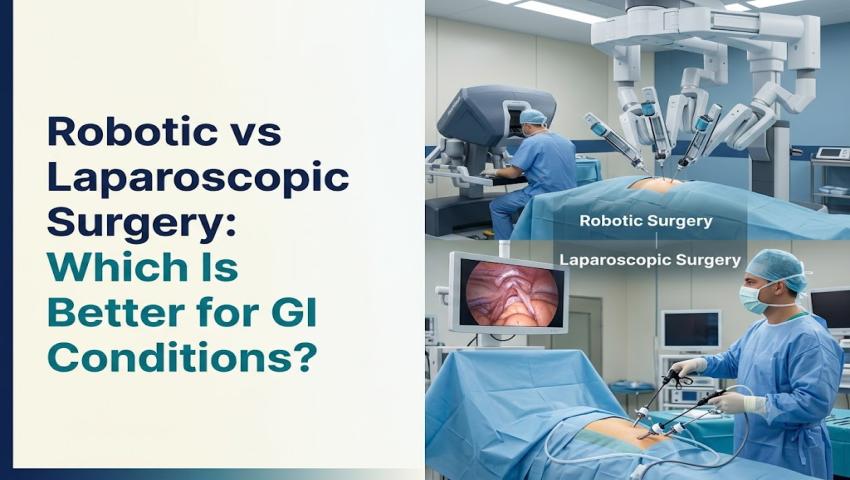
Robotic GI surgery is an advanced form of Minimally Invasive GI Surgery where the surgeon controls robotic instruments to perform highly precise procedures through small incisions. The robotic system does not operate on its own; every movement is directed by the surgeon.
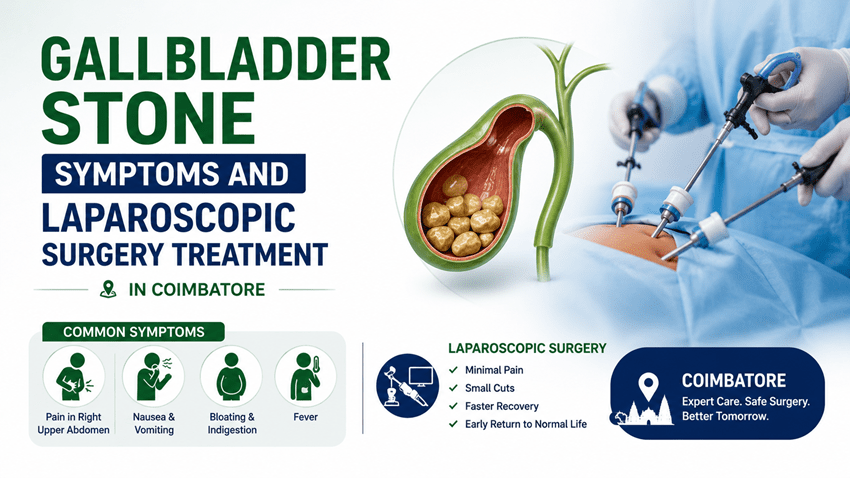
The gallbladder is a small organ located below the liver. Its main function is to store bile, a digestive fluid produced by the liver that helps break down fats in the food we eat.
In recent years, digestive problems are becoming more common among young adults. Many people in their 20s and 30s are experiencing issues like acidity, bloating, indigestion, and stomach pain. The main reason behind this rising trend is the modern lifestyle that most young people follow today. Irregular eating habits, excessive…
Piles develop when pressure increases in the veins around the rectum and anus. This pressure causes the veins to swell and sometimes protrude, leading to discomfort and irritation.
GI diagnostic procedures are medical tests used to examine the digestive system, including the food pipe, stomach, intestines, liver, gallbladder, pancreas, and rectum.
The digestive system includes the esophagus, stomach, small intestine, large intestine, liver, pancreas, and gallbladder. These organs work together to digest food, absorb nutrients, and eliminate waste from the body.
Gastrointestinal surgery involves delicate organs that play a vital role in digestion and overall health. Not all GI conditions require surgery, and when surgery is needed, the approach and expertise of the surgeon make a significant difference.
Seeing blood in your stool can be scary. Your heart starts racing, and you might think the worst. But here’s the truth while blood in stool always needs attention, it’s not always a sign of something serious. As a Surgical Gastroenterologist, I’ve seen hundreds of patients walk in worried, only…