Pain during bowel movements, rectal bleeding, or a persistent discharge near the anal area are symptoms that many people feel uncomfortable discussing. Some patients also notice a small skin tag near the anus, which is often mistaken for a fissure or fistula symptom. As a result, they often delay seeking medical attention and continue to suffer in silence. Two common anorectal conditions that can cause these symptoms are an anal fissure and an anal fistula. Although their names sound similar, they are very different conditions that require different treatment approaches.
Understanding the difference between a Fissure and a Fistula is important because early diagnosis can help prevent complications and improve treatment outcomes. Many patients are unsure whether their symptoms indicate an Anal Fissure or an Anal Fistula, which can lead to confusion and delayed care.
With over 18 years of experience in treating colorectal and proctology conditions, Dr K. Balu, a leading Proctologist in Coimbatore, provides comprehensive care for fissures, fistulas, and other anorectal disorders at Sun Specialty Clinic.
What Is an Anal Fissure?
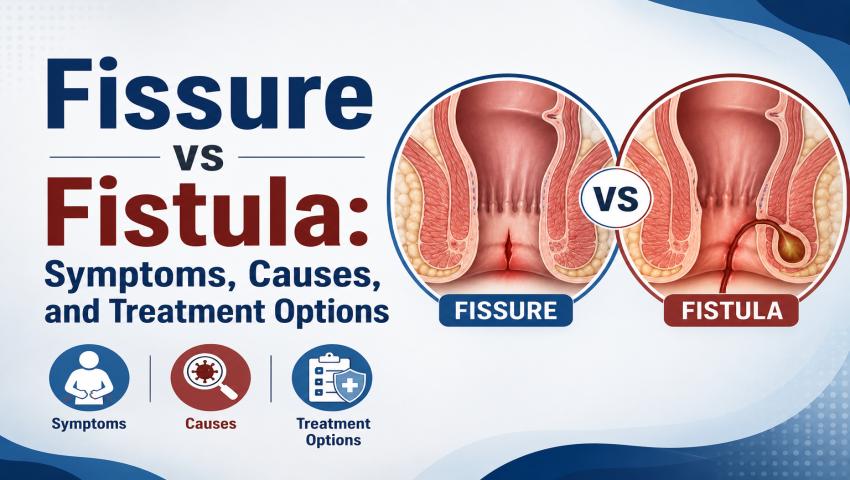
An Anal Fissure is a small tear or crack in the lining of the anal canal. It commonly develops when hard stools or excessive straining during bowel movements stretch the delicate tissue around the anus.
Anal fissures can affect people of all ages and are often associated with chronic constipation, dehydration, and poor dietary fibre intake. While many acute fissures heal with conservative treatment, chronic fissures may require medical or surgical intervention.
Is a Skin Tag Related to an Anal Fissure?
Many patients notice a small skin tag near the anus and worry it may be a sign of a fissure or fistula. In most cases, this is a sentinel skin tag — a small fold of skin that develops at the lower edge of a chronic anal fissure as part of the healing process.
Key points to note:
- Anal skin tags are usually associated with chronic fissures, not fistulas
- They are not cancerous and do not require treatment unless they cause discomfort or hygiene issues
If you notice a skin tag along with pain, bleeding, or discharge, it is advisable to consult a specialist rather than self-diagnosing, since similar-looking skin changes can occur with fissures, fistulas, or piles.
What Is an Anal Fistula?
An Anal Fistula (also called fistula in ano) is an abnormal tunnel that forms between the inside of the anal canal and the skin surrounding the anus. Most fistulas develop after an infection in one of the anal glands, leading to the formation of an abscess.
Unlike fissures, fistulas rarely heal on their own and typically require surgical treatment. Because an anal fistula is usually linked to an underlying infection, it often causes ongoing symptoms until properly treated.
Symptoms of Anal Fissure vs Anal Fistula:
Although both conditions affect the anal region, their symptoms are often quite different.
Symptoms of Anal Fissure:
- Severe pain during bowel movements
- Rectal bleeding after passing stool
- Burning or stinging sensation around the anus
- Visible tear in the anal skin
- Fear of passing stools due to pain
Symptoms of an Anal Fistula:
- Continuous or recurring anal pain
- Swelling around the anus
- Pus discharge from the anus
- Foul-smelling drainage
- Recurrent abscesses and infections
Patients experiencing persistent symptoms should seek medical evaluation, as early diagnosis can prevent complications and improve recovery outcomes.
Causes of Anal Fissure vs Anal Fistula:
Understanding the causes of these conditions can help reduce the risk of recurrence.
Common Causes of Anal Fissure:
- Chronic constipation
- Passing hard stools
- Chronic diarrhoea
- Childbirth-related trauma
- Straining during bowel movements
Common Causes of Anal Fistula:
- Infection of the anal glands
- also known as fistula in ano
- Previous anal abscess
- Crohn’s disease
- Trauma or previous surgery in the anal region
While fissures are generally related to mechanical injury, fistulas are most often caused by infection.
Fissure vs Fistula: Side-by-Side Comparison
How Are Fissures and Fistulas Diagnosed?
A proper diagnosis is essential because fissures and fistulas require different treatment approaches.
Diagnosis usually involves:
- Detailed medical history
- Physical examination
- Visual inspection of the anal region
- Digital rectal examination when appropriate
- Anoscopy for better visualisation
- MRI scan in complex fistula cases
Patients experiencing persistent anal pain, rectal bleeding, or discharge should seek timely evaluation from a specialist.
Treatment Options for Anal Fissure:
The treatment of an anal fissure depends on whether it is acute or chronic.
1. Conservative Treatment:
Many fissures improve with simple lifestyle changes, including:
- Increasing fibre intake
- Drinking plenty of water
- Avoiding constipation
- Warm sitz baths
- Stool softeners when required
2. Medical Treatment:
Doctors may prescribe medications to relax the anal muscles and promote healing.
3. Fissure Surgery:
For chronic fissures that do not respond to conservative treatment, Fissure Surgery may be recommended. Surgical treatment aims to reduce muscle spasm and allow the tear to heal effectively.
Patients seeking Fissure Treatment in Coimbatore should seek specialist evaluation if symptoms persist despite conservative measures.
Treatment Options for Anal Fistula:
Unlike fissures, anal fistulas usually require a procedural or surgical solution.
Treatment options may include:
- Fistulotomy: is one of the most commonly performed procedures for simple fistulas. The tract is opened and allowed to heal gradually.
- Advanced Fistula Surgery: Complex fistulas may require specialised procedures designed to preserve the anal sphincter muscles while eliminating the fistula tract.
- Minimally Invasive Treatment: Modern techniques focus on reducing pain, minimising tissue damage, and promoting faster recovery.
Patients requiring Fistula Treatment in Coimbatore should undergo a thorough assessment to determine the most appropriate treatment option.
How to Prevent Fissures and Fistulas?
While not all cases can be prevented, certain habits may reduce the risk of developing these conditions.
- Maintain a high-fibre diet
- Drink adequate water daily
- Avoid chronic constipation
- Maintain good anal hygiene
- Address anal infections promptly
- Prevent excessive straining during bowel movements
- Seek treatment for diarrhoea and digestive disorders
Adopting these measures can help promote healthy bowel habits and reduce the likelihood of anorectal problems.
Difference Between Fissure and Fistula: Which Is More Serious?
When comparing a fissure vs a fistula, an anal fistula is generally considered the more serious condition. While many acute fissures can heal with medications, dietary modifications, and lifestyle changes, fistulas rarely resolve without medical intervention.
An untreated fistula can lead to recurrent infections, repeated abscess formation, and ongoing discomfort. In some cases, delayed treatment may result in a more complex fistula that requires advanced surgical management. This is why persistent symptoms such as swelling, pus discharge, or recurrent infections should never be ignored.
Can an Anal Fissure Turn Into a Fistula?
In most cases, an anal fissure does not turn into a fistula because they develop through different mechanisms.
An anal fissure is usually caused by trauma to the anal lining, whereas an anal fistula develops as a result of an infection. However, if a fissure becomes infected or if there is an underlying abscess, complications can occur. Although uncommon, a proper medical evaluation is important whenever symptoms persist or worsen.
When Should You Consult a Proctologist Dr K. Balu?
Many patients delay treatment because they assume symptoms will improve on their own. However, professional evaluation is important if you experience:
- Persistent anal pain
- Rectal bleeding
- Pain during bowel movements
- Swelling around the anus
- Pus discharge
- Recurrent anal abscesses
- Symptoms that do not improve with home care
If you are experiencing these symptoms, consulting an experienced Colorectal Surgeon in Coimbatore can help ensure accurate diagnosis and timely treatment.
With over 18 years of experience, Dr K. Balu offers comprehensive care for fissures, fistulas, and other colorectal conditions using modern treatment approaches tailored to each patient’s needs.
Conclusion:
Understanding the Fissure vs Fistula difference is essential because both conditions affect the anal region but require different treatment approaches. An Anal Fissure is typically a small tear that often causes severe pain and rectal bleeding, while an Anal Fistula is usually associated with infection, swelling, and pus discharge.
Recognising the symptoms early and seeking timely medical attention can help prevent complications and improve treatment outcomes. Whether you are experiencing Anal Fissure Symptoms, Anal Fistula Symptoms, or recurrent anorectal discomfort, a proper diagnosis is the first step towards effective treatment.
Patients seeking Fissure Treatment in Coimbatore or Fistula Treatment in Coimbatore should consult a qualified specialist to determine the most appropriate treatment plan and achieve lasting relief.
Book an Appointment:
Don’t let pain, bleeding, or discomfort affect your daily life. Book an appointment with Dr. K. Balu, an experienced Proctologist and Laser Surgeon in Coimbatore, and get personalised, minimally invasive treatment for fissures and fistulas. Call:9944727778
Frequently Asked Questions:
Fissures are treated with sitz baths, topical creams, and a high-fibre diet. Chronic cases need Lateral Internal Sphincterotomy (LIS). Fistulas always require surgery Fistulotomy, VAAFT, or Laser Treatment depending on severity. Dr. K. Balu recommends a personalised plan based on your condition.
Yes, completely. Acute fissures heal with medication and diet changes. Chronic fissures are treated with a minor procedure (LIS) with over 95% success rate. Full, permanent recovery is very much achievable.
No. With proper treatment and lifestyle changes like a high-fibre diet and good hydration, most patients recover fully and permanently. A fissure only becomes chronic when left untreated.
Yes. Fistulas are curable with surgery. Modern procedures like VAAFT and Laser Fistula Treatment offer 85–95% cure rates. Early treatment by an experienced proctologist ensures complete recovery with minimal recurrence.
No. A skin tag itself does not turn into a fistula. It is usually a harmless remnant of a healed or chronic fissure. However, if you notice swelling, pus discharge, or pain along with the skin tag, it’s best to get evaluated, as these could indicate a separate underlying condition like a fistula.
The cost of treatment depends on the severity of the condition and the procedure required — conservative treatment, Laser Fissure Surgery, or Fistula Surgery like VAAFT. Dr. K. Balu provides a personalised treatment plan after clinical evaluation.