Inflammatory Bowel Disease (IBD) can make everyday life challenging, causing symptoms such as abdominal pain, diarrhoea, fatigue, and recurring flare-ups. If you are searching for IBD Disease Treatment in Coimbatore, understanding the available IBD Treatment Options can help you take the right steps towards better digestive health. With timely treatment, many patients can control inflammation, achieve long-term remission, and enjoy a better quality of life.
Understanding the available Inflammatory Bowel Disease Treatment options is the first step towards managing the condition effectively. Depending on the severity of the disease, treatment may include medications, biologic therapy, nutritional support, lifestyle changes, or surgery. Choosing the right IBD Treatment Options early can make a significant difference in achieving long-term relief and preventing complications.
With 18 years of experience, Dr K. Balu, a Best Gastroenterologist in Coimbatore, provides personalised care for Crohn’s disease and ulcerative colitis at Sun Speciality Clinic, helping patients receive the most appropriate treatment for long-term digestive health.
What Are the Main Goals of IBD Treatment?
The primary goal of IBD Treatment options is not just to relieve symptoms but also to control inflammation and prevent future complications. Since IBD includes Crohn’s disease and ulcerative colitis, treatment is tailored according to the patient’s condition and disease severity.
The main objectives of treatment include:
- Reducing inflammation in the digestive tract.
- Controlling active flare-ups.
- Achieving and maintaining long-term remission.
- Preventing complications such as strictures, fistulas, and bowel obstruction.
- Improving nutrition and overall quality of life.
- Reducing the need for repeated hospitalisation or surgery.
Early and effective IBD Management helps patients continue their daily activities with fewer symptoms and a lower risk of disease progression.
What Are the Different IBD Treatment Options?
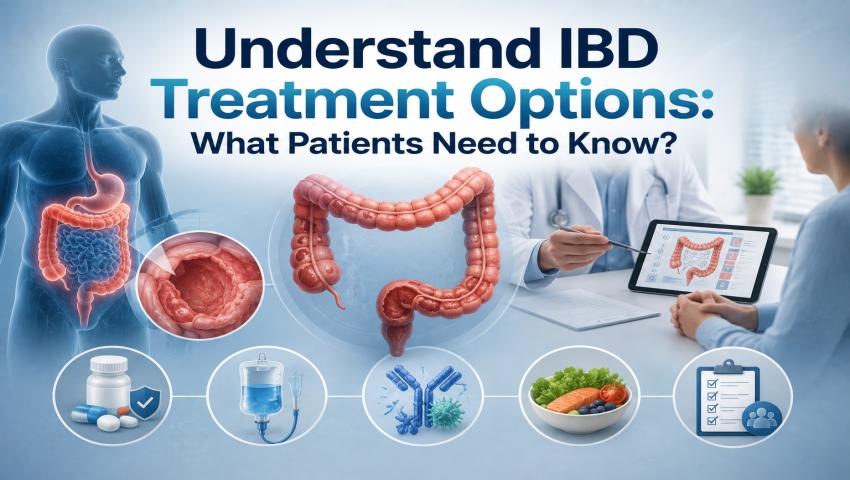
Modern IBD Treatment Options focus on controlling inflammation, preventing flare-ups, and improving the patient’s quality of life. Doctors may recommend one or a combination of treatments based on the patient’s symptoms, disease severity, medical history, and response to previous therapies.
Medications for Inflammatory Bowel Disease:
Medicines are usually the first line of Inflammatory Bowel Disease Treatment. They help reduce inflammation, relieve symptoms, and maintain remission.
Common medications include:
- Aminosalicylates (5-ASA) for mild to moderate disease.
- Corticosteroids for short-term control of severe flare-ups.
- Immunomodulators to suppress an overactive immune response.
- Antibiotics in selected patients with infections or complications.
Choosing the right medications requires regular monitoring by an experienced Gastroenterologist in Coimbatore, as every patient’s condition and response to treatment differ.
Biologic and Targeted Therapies for IBD:
Biologic medicines have transformed the way moderate to severe IBD is treated. These advanced therapies target specific proteins responsible for inflammation instead of suppressing the entire immune system.
Biologic therapy may be recommended for patients who:
- Do not respond well to conventional medicines.
- Experience frequent flare-ups.
- Have severe Crohn’s disease or ulcerative colitis.
- Need long-term control of inflammation.
Targeted therapies are newer treatment options that work on specific pathways involved in the inflammatory process. These treatments can help reduce symptoms, promote healing of the intestine, and lower the risk of complications.
Nutritional Therapy:
Nutrition plays an important role in supporting IBD Management. Although diet alone cannot cure IBD, eating the right foods can help reduce symptoms and support healing.
Depending on the patient’s condition, doctors may recommend:
- Soft, easily digestible foods during flare-ups.
- High-protein meals to support recovery.
- Vitamin and mineral supplements if deficiencies are present.
- Adequate fluid intake to prevent dehydration.
- Avoiding foods that trigger symptoms.
Since every patient responds differently to food, dietary advice should always be personalised rather than following a one-size-fits-all approach.
Lifestyle Changes:
Healthy lifestyle habits can improve treatment outcomes and reduce the frequency of flare-ups.
Helpful lifestyle changes include:
- Managing stress through relaxation techniques.
- Getting regular physical activity.
- Sleeping for at least 7–8 hours every night.
- Quitting smoking, especially in Crohn’s disease.
- Following medications consistently.
- Keeping regular appointments with your doctor.
These simple habits work alongside medical treatment to improve long-term disease control.
Managing IBD Flare-Ups:
Even patients whose disease is under control may occasionally experience flare-ups. During these periods, symptoms such as abdominal pain, diarrhoea, bleeding, or fatigue may become more severe.
Treatment during a flare-up may involve:
- Adjusting current medications.
- Short-term corticosteroid therapy.
- Temporary dietary modifications.
- Treating infections if present.
- Hospital care in severe cases.
Ignoring flare-ups can increase the risk of complications, so prompt medical attention is always recommended.
Enteral Nutrition Therapy for IBD:
Enteral nutrition involves using specially formulated liquid nutrition to support bowel healing while providing essential nutrients. It is particularly useful in children with Crohn’s disease but may also benefit selected adults.
Benefits include:
- Reducing intestinal inflammation.
- Improving nutritional status.
- Supporting healthy growth in children.
- Allowing the bowel to heal naturally.
Doctors recommend this therapy only when appropriate and under medical supervision.
When Is Surgery Recommended for IBD?
Although many patients respond well to medicines, surgery may become necessary when medical treatment no longer controls the disease or complications develop.
Surgery may be recommended if a patient has:
- Severe intestinal narrowing (strictures).
- Bowel obstruction.
- Fistulas or abscesses.
- Severe bleeding.
- Perforation of the intestine.
- Colon cancer or precancerous changes.
- Poor response to long-term medications.
The decision to proceed with surgery is made after carefully evaluating the patient’s overall condition and treatment history.
Advanced Surgical Treatment Options for IBD:
When surgery becomes necessary, modern minimally invasive techniques can provide faster recovery and better outcomes.
Depending on the patient’s condition, surgical options may include:
- Laparoscopic bowel surgery.
- Robotic-assisted gastrointestinal surgery.
- Bowel resection.
- Strictureplasty for Crohn’s disease.
- Colectomy for severe ulcerative colitis.
Patients requiring advanced IBD Treatment in Coimbatore can benefit from minimally invasive procedures performed by Dr K. Balu at Sun Speciality Clinic. As an experienced Best Laparoscopic Surgeon in Coimbatore, he focuses on delivering personalised surgical care with faster recovery and improved outcomes.
How Doctors Choose the Right IBD Treatment Plan?
There is no single Best Treatment for IBD that works for everyone. Every patient experiences IBD differently, so treatment is always personalised. Doctors carefully assess several factors before recommending the most suitable IBD Treatment Options.
These factors include:
- Whether the patient has Crohn’s disease or ulcerative colitis
- Severity and extent of inflammation
- Frequency of flare-ups
- Age and overall health
- Previous response to medications
- Presence of complications such as strictures, fistulas, or abscesses
- Nutritional status and lifestyle
The treatment plan may also change over time depending on how well the disease responds. Some patients achieve good symptom control with medications alone, while others may require biologic therapy or surgery.
The goal is to choose a treatment that controls inflammation effectively, reduces flare-ups, prevents complications, and helps patients maintain a normal, active life.
Why Choose Dr K. Balu for IBD Treatment in Coimbatore?
Managing IBD requires expert care, timely diagnosis, and a personalised treatment approach. With 18 years of experience, Dr K. Balu provides comprehensive care for Crohn’s disease, ulcerative colitis, and other digestive disorders at Sun Speciality Clinic.
Patients trust Dr K. Balu for:
- Personalised treatment plans for every stage of IBD
- Expertise in advanced laparoscopic and robotic GI surgery
- Evidence-based treatment with regular follow-up care
- Compassionate, patient-centred approach
Recognised as the Best Gastroenterologist in Coimbatore and an experienced Best Laparoscopic Surgeon in Coimbatore, Dr K. Balu is committed to delivering advanced IBD Treatment in Coimbatore to help patients achieve better long-term digestive health.
Conclusion:
Effective IBD Treatment Options can help control symptoms, reduce flare-ups, and improve your quality of life. Early diagnosis, regular follow-up, and a personalised Inflammatory Bowel Disease Treatment plan are essential for long-term disease management.
If you are looking for IBD Disease Treatment in Coimbatore, consult Dr K. Balu at Sun Speciality Clinic. With 18 years of experience, he provides personalised care to help patients manage IBD effectively and achieve better digestive health. Book an appointment today and take the first step towards better digestive health.
Frequently Asked Questions:
Common options include anti-inflammatory medications (5-ASAs), corticosteroids, immunosuppressants, biologic therapy, and surgery for severe cases, chosen based on disease severity.
Yes, untreated IBD can lead to complications like strictures, fistulas, bowel obstruction, or malnutrition. Timely treatment helps prevent these risks.
Soft, easily digestible foods, high-protein meals, and adequate fluids are generally recommended, especially during flare-ups. Diet should be personalised with your doctor.
Diagnosis usually involves blood tests, stool tests, colonoscopy, and imaging to confirm the type and severity of the disease.
Yes, women may experience additional symptoms related to menstrual cycles, fertility, and pregnancy alongside common IBD symptoms.
Surgery is usually needed when medications fail or complications like strictures, fistulas, or bowel obstruction develop.