
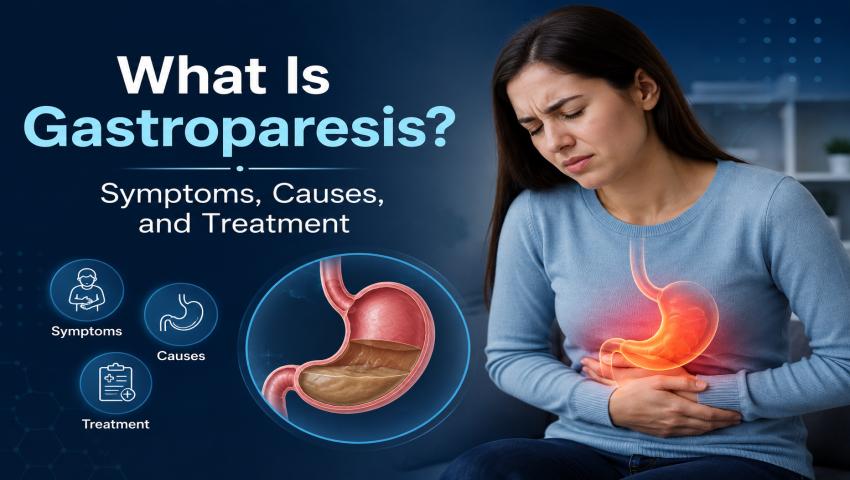
Your stomach has its own rhythm — a set of muscle contractions that push food along for digestion, usually finishing the job within a few hours. But what happens when that rhythm slows down, and food just… stays there? That’s essentially what gastroparesis is. It’s a condition in which the stomach empties its contents much more slowly than normal, not because of any blockage, but because the muscles and nerves controlling digestion aren’t working as they should.
It’s more common than most people realise, and it often gets mistaken for simple indigestion or acidity, which is exactly why it goes undiagnosed for so long. Many patients who consult Dr. K. Balu, one of the best gastroenterologists in Coimbatore practicing at Sun Speciality Clinic, come in after months of unexplained bloating or nausea, only to discover it was gastroparesis all along.
In this blog, we’ll cover what gastroparesis is, how to spot it early, the common causes of gastroparesis, and what treatment actually looks like — so you don’t have to go through the same guesswork.
What Is Gastroparesis?
In simple terms, gastroparesis means “stomach paralysis,” though the stomach doesn’t actually stop working. The gastroparesis definition refers to a condition where the stomach muscles don’t contract properly, causing delayed gastric emptying, even without any physical blockage.
This happens because the vagus nerve, which controls how the stomach moves food into the small intestine, isn’t functioning well. As a result, food stays in the stomach longer than it should, leading to discomfort and digestive issues. In everyday terms, think of it as your stomach’s “motor” running slower than usual.
Symptoms of Gastroparesis:
Gastroparesis symptoms can range from mild to severe, and they often worsen after meals. Common signs include:
- Feeling full quickly, even after a small meal (early satiety)
- Bloating and abdominal discomfort
- Nausea and vomiting, sometimes with undigested food
- Not digesting food well, leading to a heavy, sluggish feeling
- Heartburn or acid reflux
- Undigested food in the stomach, visible in vomit even hours after eating
- Unintended weight loss
- Blood sugar fluctuations, especially in diabetic patients
Many patients describe it as food sitting in the stomach and not digesting properly, no matter how light the meal was. If these symptoms sound familiar and are becoming a regular pattern, it’s worth getting checked by a specialist rather than waiting for them to pass on their own.
Causes and Risk Factors of Gastroparesis:
There are several reasons why someone might develop gastroparesis. Some of the most common gastroparesis causes include:
Diabetes:
This is the leading cause. High blood sugar levels over time can damage the vagus nerve, directly affecting stomach motility.
Post-Surgical Nerve Damage:
Certain abdominal or oesophageal surgeries can accidentally injure the vagus nerve, resulting in slowed digestion.
Neurological Conditions:
Disorders like Parkinson's disease can interfere with the nerve signals that control stomach movement.
Medications:
Some medicines, including certain painkillers and antidepressants, can slow gastric emptying as a side effect.
Idiopathic Gastroparesis:
In many cases, doctors are unable to pinpoint an exact cause. This is termed idiopathic gastroparesis, and it's more common than people realise.
Other general problems with digesting food, such as chronic poor digestion caused by stress or an underlying autoimmune condition, may also contribute in some patients.
How Is Gastroparesis Diagnosed?
Diagnosing gastroparesis usually involves ruling out any physical blockage first, followed by tests that measure how quickly your stomach empties. Common diagnostic methods include:
- Gastric emptying study (scintigraphy): The gold standard test where you eat a meal containing a small amount of radioactive material, and a scanner tracks how long it stays in your stomach.
- Upper endoscopy: Helps rule out any mechanical blockage or ulcers causing similar symptoms.
- Breath test: A non-invasive alternative to measure gastric emptying time.
- Ultrasound: Occasionally used to check for other underlying issues.
As a trusted Gastrointestinal Surgeon in Coimbatore, Dr. K. Balu uses a thorough, step-by-step diagnostic approach to ensure the right treatment plan is recommended, rather than jumping straight to medication.
Complications of Untreated Gastroparesis:
If left untreated for a long time, gastroparesis can lead to more serious health issues, such as:
- Severe dehydration from persistent vomiting
- Malnutrition due to poor nutrient absorption
- Bezoars (hardened masses of undigested food that can block the stomach)
- Difficulty managing blood sugar levels in diabetic patients
- Significant drop in quality of life due to constant discomfort
This is why early diagnosis and proper management are so important, rather than simply adjusting your diet on your own and hoping the symptoms improve.
Treatment Options for Gastroparesis at Sun Speciality Clinic:
Treatment for gastroparesis is usually a combination approach, tailored based on symptom severity.
Since gastroparesis is often linked with acid reflux, some patients may also require GERD Treatment in Coimbatore alongside their gastroparesis management plan for complete relief.
When to Consult a Gastroenterologist in Coimbatore?
You should consider seeing a specialist if you experience:
- Persistent nausea or vomiting lasting more than a few days
- Unexplained weight loss
- Difficulty managing blood sugar despite medication
- Symptoms that interfere with daily eating and routine
Early consultation with a Gastrointestinal Surgeon in Coimbatore can help prevent complications and get you on the right treatment path sooner rather than later.
Why Choose Dr. K. Balu for Gastroparesis Treatment?
Managing gastroparesis isn’t just about prescribing medication — it requires understanding each patient’s symptoms, eating habits, and daily routine before deciding on a treatment path. This is where Dr. K. Balu at Sun Speciality Clinic, Coimbatore, brings a different approach:
- 18 years of experience in gastrointestinal and laparoscopic surgery, with hands-on exposure to both straightforward and complex digestive cases
- A diagnosis-first approach, ensuring treatment is based on accurate test results rather than guesswork
- Personalised treatment plans that combine dietary guidance, medication, and, when needed, advanced intervention
- Recognition as one of the best gastroenterologists in Coimbatore, built on consistent patient outcomes rather than just credentials
Whether you need dietary changes or a more advanced treatment approach, the goal at Sun Speciality Clinic is simple: help you get back to eating and living comfortably, without unnecessary complications.
Book an Appointment:
If you’re experiencing symptoms of gastroparesis or have been struggling with unexplained digestive discomfort, don’t wait for it to get worse. Book a consultation with Dr. K. Balu today and take the first step towards better digestive health.
Final Thoughts:
Gastroparesis can be frustrating to live with, but it’s a manageable condition with the right diagnosis and treatment plan. Recognising the early symptoms, understanding the causes, and seeking timely medical advice can make a significant difference in your day-to-day comfort and long-term health. If you suspect you might have gastroparesis, don’t self-diagnose based on internet searches alone; consult a specialist who can guide you accurately.
Frequently Asked Questions (FAQ's):
Gastroparesis isn’t always fully curable, but symptoms can be effectively managed with the right diet, medication, and lifestyle changes.
In mild cases, especially those caused by temporary factors, symptoms may improve. However, chronic cases usually need ongoing management.
High-fat, high-fibre, and carbonated foods and drinks should generally be avoided, as they slow digestion further.
Yes, diabetes is one of the most common causes of gastroparesis due to nerve damage from prolonged high blood sugar levels.
Regular indigestion is usually occasional and mild, while gastroparesis involves a genuine delay in stomach emptying, often confirmed through specific diagnostic tests.
If nausea, vomiting, or bloating persists for more than a few days, or if you’re losing weight unexpectedly, it’s time to consult a gastroenterologist.