
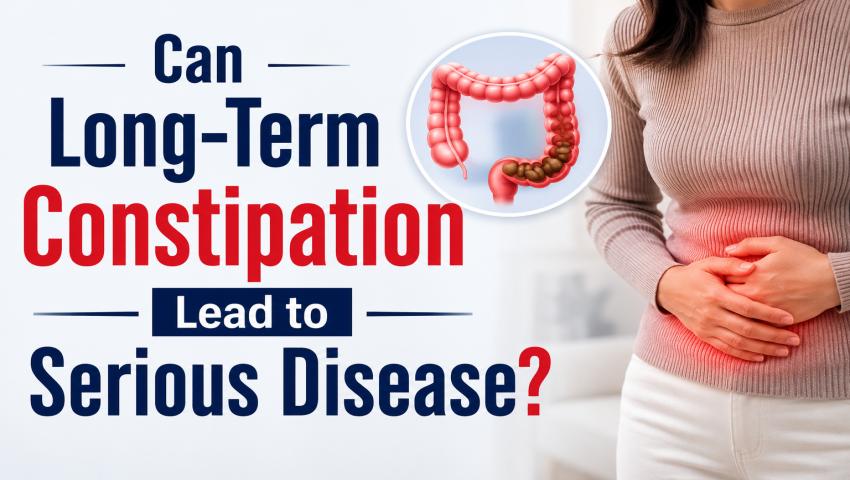
Constipation is a common digestive problem that affects people of all ages. While occasional constipation is usually temporary and manageable with lifestyle changes, long-term or chronic constipation should never be ignored. What may seem like a minor issue can lead to complications affecting your digestive and colorectal health. Many people delay seeking medical advice, hoping the problem will improve on its own. However, persistent constipation may indicate an underlying condition that requires proper evaluation and treatment.
With over 18 years of experience in treating digestive and colorectal disorders, Dr. K. Balu, recognised as one of the Best GI surgeons in Coimbatore, has helped many patients identify the root cause of chronic constipation and prevent potential complications through timely care.
So, can long-term constipation lead to serious health problems? Let’s understand the possible risks and why early treatment is important.
What Is Chronic Constipation?
Constipation is generally considered chronic when bowel movements become infrequent, difficult, or incomplete for several weeks or months.
Common symptoms include:
- Hard stools
- Straining during bowel movements
- Feeling of incomplete evacuation
- Abdominal bloating
- Lower abdominal discomfort
- Reduced bowel movement frequency
Persistent constipation may indicate an underlying digestive or colorectal condition that requires medical evaluation.
Can Long-Term Constipation Become Serious?
Yes, chronic constipation can sometimes lead to complications, especially when ignored for a prolonged period. While not every patient develops severe disease, untreated constipation may increase the risk of several digestive and colorectal problems.
Patients with persistent bowel issues may sometimes require evaluation by a specialist in Colorectal Surgery to identify underlying causes and prevent complications.
How Chronic Constipation Affects Your Body:
1️⃣ Hemorrhoids (Piles)
Frequent straining during bowel movements increases pressure in the rectal veins, which may lead to swollen hemorrhoids.
Symptoms may include:
- Pain during passing stool
- Bleeding
- Swelling around the anus
- Itching or discomfort
Patients with severe or recurrent piles may benefit from advanced LASER Piles Treatment for reduced pain and faster recovery.
2️⃣ Colon and Digestive Problems
Persistent constipation may occasionally be associated with underlying conditions such as:
- Colorectal polyps
- Intestinal narrowing
- Neurological disorders
- Thyroid problems
- Colorectal cancer in some patients
In some individuals, prolonged bowel symptoms may require evaluation with a colonoscopy to assess the colon and identify possible underlying disease.
3️⃣ Anal Fissures
Hard stools can cause small tears in the anal lining called fissures.
This may result in:
- Severe pain during bowel movements
- Burning sensation
- Bleeding after passing stool
4️⃣ Fecal Impaction
Severe constipation can sometimes lead to stool becoming stuck in the rectum or colon, making natural bowel movement difficult.
Symptoms may include:
- Severe abdominal pain
- Vomiting
- Inability to pass stool
- Abdominal swelling
This may require urgent medical treatment.
5️⃣ Rectal Prolapse
Long-term straining can weaken pelvic muscles and may cause part of the rectum to protrude outside the anus.
This condition may require surgical treatment in severe cases.
When Should You See a GI Specialist?
Medical evaluation is important if constipation is associated with:
- Blood in stool
- Unexplained weight loss
- Persistent abdominal pain
- Sudden change in bowel habits
- Constipation lasting several weeks
- Family history of colorectal disease
- Difficulty passing stool despite treatment
Early diagnosis helps identify the exact cause and prevent complications.
How Is Chronic Constipation Diagnosed?
Depending on symptoms and age, evaluation may include:
- Physical Examination: To assess overall digestive health and identify signs of underlying conditions.
- Blood Tests: To check for medical conditions such as thyroid disorders or other factors that may contribute to constipation.
- Colonoscopy: Recommended in selected patients to examine the colon and identify possible abnormalities or colorectal conditions.
- Imaging Studies: May be used to evaluate the digestive tract and detect structural problems.
- Bowel Function Tests: Performed as needed to assess how the colon and rectum function.
These tests help identify whether constipation is functional, dietary, or related to an underlying disease.
Treatment Options of Chronic Constipation by Dr K. Balu
Treatment depends on the cause and severity.
1. Lifestyle and Dietary Changes:
Many patients improve with:
- Increased fiber intake
- Proper hydration
- Regular physical activity
- Healthy bowel habits
2. Medical Management:
Certain patients may require medications to improve bowel movement and reduce straining.
3. Advanced Treatment:
If constipation is caused by structural or colorectal disease, specialized treatment or surgery may sometimes be required.
Minimally invasive colorectal procedures may help selected patients recover faster with less discomfort.
Why Early Treatment of Chronic Constipation Matters:
One of the biggest mistakes patients make is ignoring constipation for months or years. Many assume it is a minor issue, but chronic constipation can affect quality of life and sometimes indicate more serious digestive conditions.
Early consultation with a GI specialist helps:
- Identify the root cause
- Prevent complications
- Improve bowel function
- Support long-term digestive health
Conclusion:
So, can long-term constipation lead to serious disease? In some cases, yes. Chronic constipation may lead to complications such as piles, fissures, rectal prolapse, fecal impaction, and occasionally may be linked to underlying colorectal disorders.
Persistent constipation should not be ignored, especially when associated with pain, bleeding, or major changes in bowel habits.
Timely evaluation and proper treatment can help prevent complications and improve digestive health. Consultation with an experienced GI and colorectal specialist, such as Dr. K. Balu, can help determine the underlying cause and guide the most appropriate treatment plan.
Frequently Asked Questions:
Chronic constipation is usually manageable, but if ignored for a prolonged period, it can be dangerous and lead to complications like piles, fissures, or fecal impaction. Persistent symptoms should be evaluated by a specialist.
Yes, long-term constipation can be dangerous if it goes untreated, as it may indicate an underlying digestive or colorectal condition requiring medical attention.
Constipation, when prolonged, can cause hemorrhoids, anal fissures, fecal impaction, rectal prolapse, and in some cases, may be linked to colorectal disease.
Severe symptoms include intense abdominal pain, inability to pass stool, vomiting, abdominal swelling, or blood in stool. These require urgent medical evaluation.
Kabaj (constipation) aksar kam fiber wale khane, paani kam peene, aur kam physical activity ki wajah se hoti hai. Agar ye lambe samay tak rahe, toh doctor se consult karna zaroori hai.
पुरानी कब्ज़ के लक्षणों में मल त्यागने में कठिनाई, पेट फूलना, और मल त्याग के बाद भी पेट साफ न होने का एहसास शामिल है। यदि यह समस्या हफ्तों तक बनी रहे, तो डॉक्टर से सलाह लेना ज़रूरी है।