Digestive problems in children are more common than many parents realize. As a gastrointestinal surgeon with over 18 years of experience, I frequently see children suffering from abdominal pain, constipation, reflux, and other digestive disorders that affect their growth, nutrition, and quality of life. While some digestive issues are temporary, others require proper medical evaluation and treatment.
Early diagnosis and timely intervention are essential to prevent complications and ensure healthy development. With modern diagnostic tools and minimally invasive treatment options, most paediatric gastrointestinal (GI) conditions can be managed safely and effectively.
Understanding the Pediatric Digestive System:
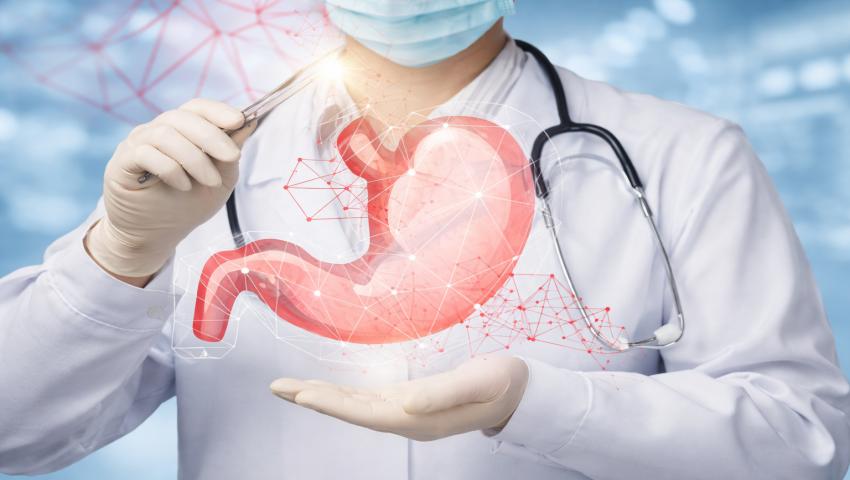
The digestive system includes the esophagus, stomach, small intestine, large intestine, liver, pancreas, and gallbladder. These organs work together to digest food, absorb nutrients, and eliminate waste from the body.
In children, the digestive system is still developing, which makes them more vulnerable to digestive disturbances. When the digestive system does not function properly, children may experience symptoms such as abdominal pain, vomiting, constipation, diarrhea, or poor weight gain.
Identifying the cause early is important to prevent long-term health issues.
Common Pediatric GI & Digestive Conditions I Treat:
1. Gastroesophageal Reflux Disease (GERD):
GERD occurs when stomach acid flows back into the food pipe, causing irritation.
Common symptoms include:
- Frequent vomiting or regurgitation
- Feeding difficulties
- Irritability in infants
- Persistent cough
- Heartburn in older children
Treatment approach: Most cases can be managed with dietary changes, medications, and lifestyle modifications. In rare severe cases, surgical treatment may be necessary.
2. Chronic Constipation:
Constipation is one of the most common digestive problems in children and can cause significant discomfort.
Symptoms include:
- Hard stools
- Painful bowel movements
- Abdominal discomfort
- Infrequent bowel movements
Treatment includes:
- Dietary changes with increased fiber
- Adequate fluid intake
- Medical management when required
Early treatment helps prevent chronic bowel issues.
3. Lactose Intolerance:
Lactose intolerance occurs when the body cannot digest lactose present in milk and dairy products.
Symptoms include:
- Abdominal pain
- Bloating
- Gas
- Diarrhea after consuming dairy
Management involves:
- Dietary adjustments
- Lactose-free alternatives
- Nutritional guidance to ensure proper growth
4. Inflammatory Bowel Disease (IBD):
IBD includes Crohn’s disease and ulcerative colitis, which cause chronic inflammation in the digestive tract.
Symptoms include:
- Chronic diarrhea
- Blood in stool
- Weight loss
- Fatigue
- Poor growth
Early diagnosis and proper treatment are essential to prevent complications and support normal development.
5. Appendicitis:
Appendicitis is a serious condition that requires immediate medical attention.
Symptoms include:
- Sudden abdominal pain
- Fever
- Vomiting
- Loss of appetite
I commonly perform minimally invasive laparoscopic appendectomy, which allows faster recovery, less pain, and better outcomes.
6. Pediatric Hernia:
A hernia appears as a swelling in the abdomen or groin due to weakness in the muscle wall.
Symptoms include:
- Visible swelling
- Pain or discomfort
- Swelling that increases during activity
Minimally invasive surgical repair ensures safe treatment and quick recovery.
Warning Signs Parents Should Never Ignore:
Based on my clinical experience, parents should seek medical evaluation if their child has:
- Persistent abdominal pain
- Blood in stool
- Frequent vomiting
- Chronic constipation or diarrhea
- Poor weight gain
- Abdominal swelling
- Feeding difficulties
These symptoms may indicate underlying digestive conditions that require proper diagnosis.
Diagnostic Evaluation I Recommend:
Accurate diagnosis is the first step toward effective treatment. Depending on the child’s symptoms, I may recommend:
- Endoscopy to examine the digestive tract
- Ultrasound to identify structural abnormalities
- Blood tests to detect infection or inflammation
- Imaging tests such as CT scan or MRI when needed
- Stool tests to evaluate digestive function
These tests help identify the exact cause and guide appropriate treatment.
Treatment Options Available:
Treatment depends on the specific condition and severity.
Medical Management: Many paediatric digestive conditions can be treated with:
- Medications
- Dietary modifications
- Nutritional therapy
- Lifestyle changes
Minimally Invasive Surgical Treatment: When surgery is necessary, I prefer advanced laparoscopic techniques, which offer:
- Smaller incisions
- Less pain
- Faster recovery
- Minimal hospital stay
- Reduced complications
This approach ensures safe and effective treatment, especially for children.
Importance of Early Diagnosis and Specialist Care:
Delayed treatment can affect a child’s growth and overall health. Early consultation with an experienced GI specialist ensures:
- Accurate diagnosis
- Timely treatment
- Prevention of complications
- Better long-term digestive health
My goal is always to provide safe, effective, and personalized care tailored to each child’s condition.
Conclusion:
Paediatric digestive disorders can significantly affect a child’s health if not treated properly. However, with early diagnosis, proper medical care, and advanced minimally invasive treatments, most children recover completely and lead healthy lives.
If your child is experiencing persistent digestive symptoms, timely evaluation by an experienced gastrointestinal specialist is essential. Early intervention ensures proper treatment, faster recovery, and long-term digestive health.